
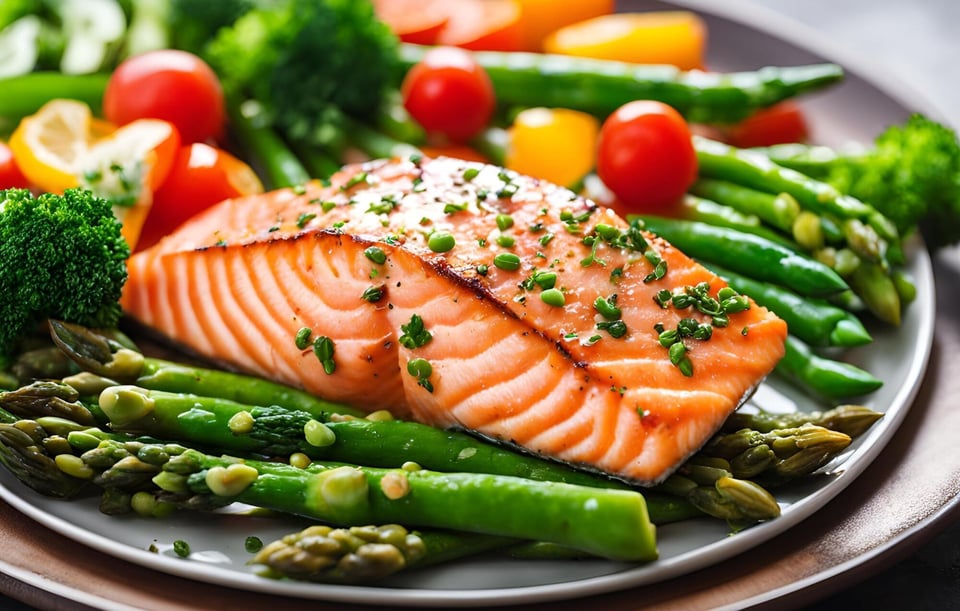
What are the best foods for brain health? Eating fatty fish, fruits, and vegetables may help reduce inflammation, which can benefit senior nutrition and cognitive health.
According to the Alzheimer's Association, over seven million Americans are living with Alzheimer's disease. By 2050, the number could reach nearly 13 million. Though 92% of Americans would take medication to slow the progression of Alzheimer's, adjusting your diet with brain-boosting foods is an effective option.
Fatty fish like salmon, fruit like berries, and leafy green vegetables can offer essential vitamins and minerals that benefit aging and memory. Adjusting your diet may help slow cognitive decline, allowing you to enjoy your independence and retirement in Orange, TX.
Not sure how to add healthy senior meals to your routine? Read on to learn more about food and cognition for happy, healthy aging!
What Are the Best Foods for Brain Health?
The best foods for brain health include fruits, vegetables, and lean proteins like fish. A Mediterranean diet featuring these foods may help prevent mild cognitive impairment. The Dietary Approaches to Stop Hypertension (DASH) diet prioritizes:
- Low-fat dairy products
- Reduced intake of sodium
- Fruits
- Vegetables
- Whole grains
These foods are associated with slower cognitive decline.
The Mediterranean-DASH Intervention for Neurodegenerative Delay (MIND) diet is a hybrid of the two. Adhering to the MIND diet is related to a lower risk of Alzheimer's disease and slower cognitive decline.
Eating nutritious whole foods (fruits, vegetables, whole grains, etc.) can help the body fight off free radical damage. This keeps oxidative stress from damaging neural pathways, which can contribute to cognitive decline.
Adjusting your diet may even support the growth of new neural pathways. Here are a few brain-boosting foods to prioritize for healthy aging and memory.
Fatty Fish
Fatty fish are high in omega-3 fatty acids.These healthy, unsaturated fats are linked to lower beta-amyloid levels (a protein associated with Alzheimer's disease).
Try to eat fish twice a week, prioritizing options that are low in mercury. These include:
- Canned light tuna
- Pollack
- Salmon
- Cod
- Mackerel
- Sardines
About 60% of the human brain is fat. Extra docosahexaenoic acid (DHA) may help improve visual acuity and mental development. DHA is associated with the synthesis and functions of brain neurotransmitters (messengers that send signals throughout the body).
To make a brain-boosting dish starring fish, consider making:
- Rainbow salmon bowls with a tahini drizzle
- Orange-glazed trout with Brussels sprouts
- Garlic parmesan salmon and asparagus
- Tuna orzo casserole with broccoli
Fruits and Vegetables
For antioxidants, try adding colorful fruits and vegetables to your diet. Each color indicates the presence of a different vitamin.
Blueberries are rich in antioxidants like anthocyanins. They fight against inflammation and free radical damage to protect the body. Otherwise, inflammation can contribute to the development of neurodegenerative diseases.
Vitamin C is another antioxidant found in oranges and other citrus fruits. Adding vitamin C to your diet may help improve cognitive function.
For a nutritious side to your favorite lean proteins, consider cruciferous vegetables like Brussels sprouts and cauliflower. These vegetables promote the body's production of isothiocyanate, which may reduce oxidative stress.
Use turmeric to add more flavor to your favorite dishes. Turmeric may help:
- Brain cells grow
- Improve memory in Alzheimer's patients
- Delay age-related mental decline
Nuts and Seeds
For an extra crunch, sprinkle nuts or seeds atop your favorite salads. They contain omega-3 fatty acids, which may help reduce oxidative stress. You can also eat nuts and seeds as a snack by making your own trail mix with:
- Pumpkin seeds
- Almonds
- Hazelnuts
- Sunflower seeds
- Walnuts
These nuts and seeds can boost your copper, iron, and magnesium levels. Low levels could otherwise increase your risk of Alzheimer's disease or depression.
Eggs
For a protein-packed breakfast, consider making a frittata or omelette with green leafy veggies. Eggs contain vitamin B6, B12, and folate, which may help reduce your risk of mental decline.
According to a review by Kritz-Silverstein and Bettencourt, published in Nutrients, eggs may help preserve neuronal structure and function within the brain. Eating eggs may have a small, beneficial effect on semantic memory. To discover creative egg dishes, explore your community's events and activities calendar for cooking classes.
Green Tea
According to a paper published in GeroScience, a combination of epigallocatechin gallate (a green tea antioxidant) and nicotinamide (vitamin B3) can reinstate levels of guanosine triphosphate (a memory molecule in brain cells).
This treatment may help reverse age-related cellular deficits. It may help improve brain cells' ability to clear damaging amyloid protein aggregates (an Alzheimer's hallmark).
How Can I Prepare Healthy Senior Meals?
To prepare healthy senior meals, try:
- Prioritizing seasonal produce
- Shopping at farmers' markets
- Exploring your senior living community's dining program
- Planning meals before shopping
- Using fresh herbs and spices
Consider cooking with friends or eating together in your assisted living community's dining room. Sharing meals can encourage healthy decision-making, while conversations can stimulate the mind.
Frequently Asked Questions
What Foods Should Seniors Avoid?
Seniors should limit their intake of:
- Alcohol
- Added sugars (pastries, candy, etc.)
- Bottled dressings, syrups, and marinades
- Red meat
- Whole milk, butter, and cream
- Refined sugar (white bread, crackers, cake, pasta, etc.)
- Soda or diet soda
- French fries, donuts, and other fried foods
Avoid eating processed foods, which are usually high in sodium. Instead, try snacking on fruits and vegetables.
For nutritious, healthy dishes, explore your senior living community's dining program. You can find healthy meals to share alongside friends.
What Foods Should Seniors Eat Daily?
Seniors should try to eat more:
- Low-fat dairy
- Lean proteins
- Nuts, seeds, and legumes
- Whole grains
- Fruits
- Dark, leafy green vegetables and cruciferous veggies
Consider following the MIND diet for guidance. Otherwise, you can find healthy, nutritious dishes through your senior living community's dining program. They can help you develop a customized meal plan based on your nutritional needs and preferences.
Healthy Aging and Memory at Sabine Place
What are the best foods for brain health? Prioritize eating lean proteins, fruits, and vegetables. You can find more healthy senior meals through a senior living community like Sabine Place Assisted Living.
We're a part of the Discovery Senior Living family of management companies, which ranked number one in Customer Satisfaction Among Assisted Living and Memory Care Communities in the JD Power 2025 US Senior Living Satisfaction Study. Contact us now to schedule your tour.