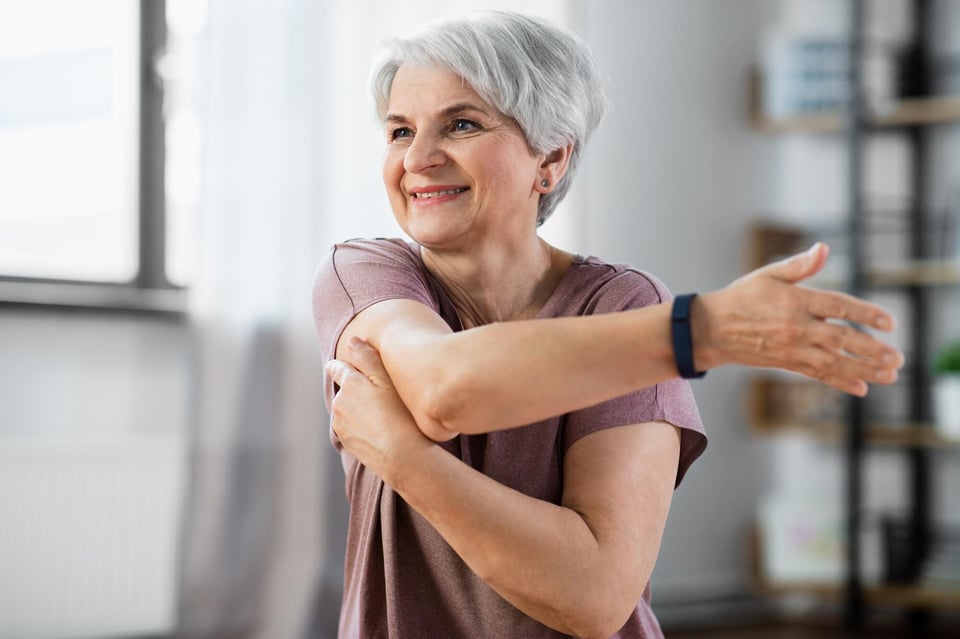
Aging is an inevitable part of life, but how we age is largely influenced by our lifestyle choices. Among the many strategies to age gracefully, stretching is often overlooked. However, regular stretching can play a key role in slowing down the aging process, both physically and mentally.
Incorporating stretching into a daily routine can lead to flexibility improvement, better mobility, straighter posture, and even boost mental well-being. This can help seniors maintain a youthful lifestyle even as they grow older.
This article explores how stretching contributes to slowing down the aging process and the benefits of stretching that you cannot discount as an older individual.
1. Maintaining Flexibility and Mobility
As we age, our muscles naturally lose elasticity, and our joints can become stiffer, which leads to reduced flexibility and mobility. This decline can make everyday tasks more challenging and increase the risk of falls and injuries.
Stretching helps to counteract these effects by keeping muscles and joints limber. Think of stretching movements as anti-aging exercises of sorts.
Improved Range of Motion
The more flexible and mobile your joints are, the easier it is to perform daily activities like reaching, bending, or walking. Improved range of motion also reduces the likelihood of injury caused by overstretching or sudden movements.
Prevention of Stiffness and Pain
As muscles and tendons tighten with age, stiffness, and chronic pain can become common, particularly in areas such as the following:
- Lower back
- Neck
- Shoulders
Stretching helps keep muscles elongated and relaxed, which can prevent stiffness and alleviate pain. This is especially important for older adults who may suffer from conditions like arthritis or sciatica, where stretching can reduce pain and improve mobility.
2. Enhancing Posture and Balance
Poor posture not only affects physical appearance but can also lead to chronic discomfort and increase the risk of falls. Regular stretching exercises targeting the muscles that support the spine and hips can significantly improve posture and balance.
Strengthening the Core
Core muscles, which include the muscles of the abdomen, lower back, and pelvis, are essential for maintaining stability and good posture. Stretching exercises that engage and lengthen the core muscles can help improve stability and support.
Improved Balance and Coordination
Falls are a leading cause of injury among older adults, according to the CDC, often due to a lack of balance and coordination. Stretching exercises that improve flexibility in the legs, ankles, and hips help maintain balance and coordination. By improving your range of motion and stability, you reduce the chances of falling and increase your confidence when moving.
3. Boosting Circulation and Reducing Muscle Tension
As we age, circulation tends to decrease, leading to problems such as:
- Cold extremities
- Muscle cramps
- Slower recovery from injuries
Stretching helps to increase blood flow to the muscles and tissues, improving overall circulation and helping the body function more efficiently.
Increased Blood Flow
Stretching promotes better blood circulation by allowing more oxygen and nutrients to reach your muscles and tissues. Increased blood flow helps to repair and regenerate tissues. This is crucial as the body becomes less efficient at healing with age.
Better circulation also contributes to lower blood pressure, reducing the risk of cardiovascular diseases.
Reduced Muscle Tension
Stress and tension often manifest physically in the form of tight muscles. Stretching relaxes tight muscles and reduces tension, leading to an overall feeling of relaxation and well-being.
4. Improving Joint Health
Osteoarthritis, one of the most common age-related conditions, is characterized by the breakdown of cartilage, causing joint pain and stiffness. While stretching won't reverse arthritis, it can help manage symptoms and maintain joint function.
Lubricating the Joints
Stretching helps to stimulate the production of synovial fluid, which lubricates the joints and reduces friction between bones. This fluid is essential for keeping joints healthy and flexible. With regular stretching, the joints can move more smoothly, which helps alleviate the stiffness that often comes with age.
Reducing Inflammation
Stretching can also help reduce inflammation in the joints by improving circulation and reducing muscle tightness around the joints. This can be particularly beneficial for those suffering from conditions like arthritis, as it helps manage pain and improve mobility.
5. Mental Health and Stress Reduction
The mental health benefits of stretching are often overlooked but can be just as important as the physical benefits, particularly as we age. Stretching can improve mood, reduce stress, and promote mental clarity.
Mind-Body Connection
Stretching encourages mindfulness, as it requires you to focus on your body's movements and sensations. This connection between mind and body helps promote relaxation and reduce anxiety. Stretching routines that incorporate deep breathing, such as yoga or Pilates, can be especially effective in promoting a sense of calm and mental clarity.
Reduction in Cortisol Levels
Cortisol, the body's primary stress hormone, can have detrimental effects on the body over time, contributing to the following:
- High blood pressure
- Decreased immune function
- Weight gain
Stretching helps reduce cortisol levels, leading to lower stress levels and better overall health.
6. Promoting Longevity and Independence
As flexibility, strength, and balance improve through regular stretching, seniors are more likely to remain active and independent for longer.
Simple daily activities can become challenging as you age. Some examples of activities are:
- Getting out of bed
- Reaching for items on a shelf
- Bending down to tie your shoes
Stretching helps to maintain the flexibility and mobility needed to perform these tasks with ease, promoting independence and quality of life.
Preventing Injuries
Injuries become more common with age, but regular stretching can help reduce the risk of strains, sprains, and falls. By improving your range of motion and strengthening muscles, you're better equipped to move safely and prevent injuries from occurring.
The Aging Process Doesn't Have to Be Debilitate You
Use stretching in your daily routine, so you don't let the aging process get the better of you. Keep yourself flexible, fit, and fabulous using all the benefits of stretching to your advantage.
If you live in a senior living community, make sure to join any yoga or stretching classes they might have. Sabine Place Assisted Living in Orange, Texas, has individual wellness programs that are unique to each resident.
Schedule a tour to see how this can fit your needs.